Assistant



 Guaranteed provenanceDirect from the estates
 DeliveryFree standard delivery from £ 250 purchase
 Secure PaymentVisa, American Express, Mastercard...
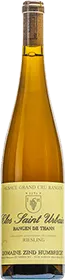
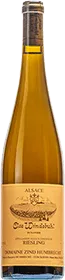
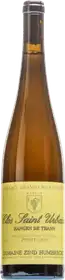
Domaine Zind-Humbrecht : Pinot Gris Grand cru "Clos Saint Urbain Rangen de Thann" 2016
Stock currently at the producing estate – Will ship after 4 November 2026
Let's talk about this product!
A pairing in mind? A question about the vintage? Comparison with another product? Find the answers here...
Description
Characteristics and tasting advice for the Pinot Gris Grand cru "Clos Saint Urbain Rangen de Thann" 2016 from Domaine Zind-Humbrecht
Tasting
Appearance
With an intense straw-yellow to golden hue, this wine displays remarkable brilliance.
Nose
The nose reveals exceptional aromatic complexity, dominated by a smoky, stony minerality. Notes of stewed pear and dried apple intertwine with nuances of white pepper and flint. With aeration, the bouquet evolves toward aromas of crème brûlée and toasted notes, accompanied by floral hints of honeysuckle and lily. A saline, brioche-like dimension lingers in the background, a signature of the volcanic terroir.
Palate
The attack on the palate is concentrated and dense, offering a sense of richness despite moderate alcohol. The palate reveals flavors of pear and apple, enhanced by notes of lemon and rose petals. The silky, slightly creamy texture, resulting from aging on lees, contrasts with a subtle yet present tannic structure. Lively acidity brings freshness and energy, perfectly balancing the wine’s concentration. The finish stands out for its remarkable length, with a honeyed richness that gradually unfolds, accompanied by persistent floral notes.
Food and wine pairings
This Pinot Gris Grand cru "Clos Saint Urbain Rangen de Thann" 2016 pairs beautifully with oily fish such as salmon or trout. It also complements seafood elegantly, particularly scallops and clams. Roasted or grilled poultry with herbs, especially with white pepper, makes for a harmonious pairing. White meats in light creamy sauces and mushroom-based dishes also achieve a fine balance with this wine. Aged cheeses with mineral or salty character, as well as asparagus dishes with lemon or butter, further expand the pairing possibilities.
Serving and cellaring
This wine can be enjoyed until around 2045. It is recommended to serve it between 50 and 54°F (10–12°C) to fully appreciate its aromatic complexity and structure.
An exceptional pinot gris from the unique volcanic terroir of Rangen de Thann in Alsace
The estate
The Domaine Zind-Humbrecht was established in 1959 through the union of Léonard Humbrecht and Geneviève Zind, thus merging the vineyards of both families. Today led by Olivier Humbrecht, the first Frenchman to earn the Master of Wine title in 1989, and his wife Margaret, the estate spans forty hectares divided into around one hundred parcels across six villages in southern Alsace. A pioneer of biodynamics in Alsace, the estate has been certified organic since 1998 and biodynamic since 2002. Olivier Humbrecht joined the family estate in March 1989, bringing a rigorous scientific approach and a non-interventionist winemaking philosophy. Since 2019, his son Pierre-Émile represents the eleventh generation of the Humbrecht family involved in viticulture. The estate stands out for its environmental commitment and its dedication to faithfully expressing each terroir.
The vineyard
Clos Saint Urbain lies at the heart of the Grand Cru Rangen de Thann, the southernmost, highest, and steepest vineyard in Alsace. Rising to 467 meters in altitude, this exceptional terroir features dramatic slopes reaching 60 to 70 degrees, with some sections approaching 90 degrees. The soil, of volcanic origin and 350 million years old, is mainly composed of grauwacke, tuff, and other volcanic materials rich in iron, magnesium, and sodium. This unique composition gives the terroir an acidic character. The Thur River, located at the foot of the vineyard, provides humidity and mists favorable to ripening. The estate owns five and a half hectares within this Grand Cru, which it has patiently restored. Vineyard management follows strict biodynamic principles, with animal traction used on the steepest parcels and a winch system employed on the most extreme sections.
The vintage
The 2016 vintage in Alsace was marked by a paradoxical growing season. After a mild winter and a fertile but wet spring that created downy mildew pressure in June, the summer turned hot and dry from July onward. August saw significant drought, particularly challenging for young vines and light soils. Despite these conditions, the grapes reached full ripeness with excellent sugar concentration, although berry size remained limited due to water stress. This vintage produced wines with ripe, elegant aromas, reflecting a distinctive balance between concentration and freshness.
Winemaking and aging
The harvest was carried out late to allow optimal physiological ripeness. The grapes, picked in exceptional sanitary condition with very little botrytis, were vinified as whole clusters in large wooden vats equipped with temperature control systems. Fermentation, carried out exclusively by indigenous yeasts, proceeded slowly over a period of around six months. The wine remained in prolonged contact with its lees throughout fermentation and for several additional months, allowing gradual yeast autolysis that enriched both texture and aromatic complexity. Malolactic fermentation occurred naturally according to the wine’s biological rhythm.
Grape variety
100% pinot gris