


Tuscany Wines
Products (272)

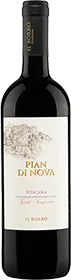
£128.00

£100.00

A juicy, generous Tuscan red — the intense expression of a pioneering estate.
£168.00
Want to save time?
Write what you're looking for in your own words, our virtual assistant will guide you through your choices!

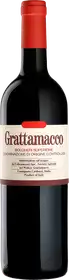
£578.00

An intense and fresh Chianti Classico, brimming with blackcurrant and liquorice, already highly expressive.
£128.00
£143.00
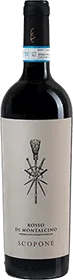
An authentic Sangiovese Grosso with fine tannins, vibrant with black cherry and violet.
£150.00

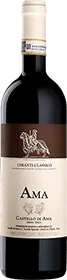
A high-altitude Chianti Classico with polished tannins, vibrant with cherry and freshness.
£175.00

Pure Cabernet Franc from Bolgheri, aged in amphorae, with notes of black cherry and chocolate.
£682.00


£259.00

A floral and fruity Chianti Classico, carried by the minerality of Gaiole.
£109.00
£155.00

£402.00

£265.00

Intense Tuscan Syrah, blending cherry, violet and pepper on an elegant structure.
£128.00
£142.00

£79.50
£90.50


£290.00
£309.00

£204.00
£217.00

£170.00
Aged in large barrels, this pure Sangiovese combines cherry and liquorice with elegant tannins.
£277.00


A great Tuscan Merlot, seductive and concentrated, with notes of fresh red fruits.
£802.00


Tuscan blend with a Bordeaux spirit, ripe blackcurrant and fresh thyme, fine tannins built for ageing.
£354.00
From the founder of Chianti Classico, a terroir-driven sangiovese aged 22 months in barrels.
£382.00

£990.00
£369.00
Second wine of Masseto, an opulent and vibrant Merlot from the blue clay soils of Bolgheri.
£852.00
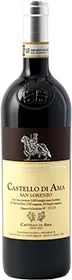
A high-altitude Tuscan cru, combining silky texture with delicate tannins.
£306.00
£383.00
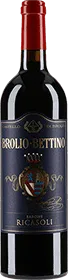
Pure Sangiovese true to the historic recipe, with fine tannins and a fruity, spiced finish.
£148.00

£944.00
Cabernet-dominant, creamy texture and a lingering finish of rare intensity.
£990.00
£211.00

Thirtieth vintage combining vibrant red fruits and refined oak.
£718.00
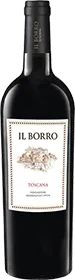
£269.00

Neighbour of Sassicaia, this Tuscan wine combines blackcurrant and blood orange with a saline finish.
£368.00

Limited edition signed by Pascale Marthine Tayou for this great Tuscan wine.
£1,448.00
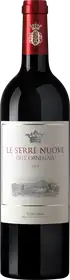
£375.00

£219.00
£238.00
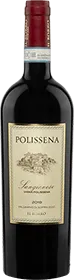
A Tuscan Sangiovese from schist soils, aged 18 months in French oak barrels.
£154.00
£175.00
£615.00

A Brunello of rare elegance, with vibrant sour cherry and saline minerality.
£995.00