

 Guaranteed provenanceDirect from the estates
 DeliveryFree standard delivery from £ 250 purchase
 Secure PaymentVisa, American Express, Mastercard...
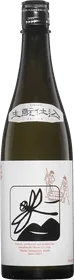
Izumibashi : Ao Tonbo Foundations
Stock currently at the producing estate – Will ship after 13 May 2026
Let's talk about this product!
A pairing in mind? A question about the vintage? Comparison with another product? Find the answers here...
Description
Tasting characteristics and advice for Ao Tonbo Foundations by Izumibashi
Tasting
Nose
Fine and silky. The aromatic palette opens first with menthol and aniseed notes, then reveals citrus and floral aromas (lily of the valley). It continues with milky (rice pudding) and juicy (white grape) scents, along with hints of zucchini blossom and fresh walnut.
Palate
Full-bodied and indulgent. Fruity (Golden apple, pear), it also shows menthol, praline and gently spiced notes of candied ginger. A verdant dimension (grass, freshly cut hay) poetically evokes the landscape of a rice paddy. The finish is long and generous. The tasting gains in freshness progressively, accompanied by a sensation of rice grains spreading across the palate. The retro-olfaction is dominated by flavors of pilaf rice.
A junmai sake from Kanagawa with an intense, vegetal character
Izumibashi, grower-brewery since 1857
Founded in 1857 during the Edo period in Japan’s Kanagawa Prefecture, Izumibashi embodies a unique terroir-driven philosophy. Now led by Yuichi Hashiba, the sixth-generation heir, the House has implemented full vertical integration since 1996, cultivating its own rice across 46 hectares in the alluvial plains of the Sagami River. Officially registered as a “grower-brewery” in 2016, Izumibashi produces exclusively junmai sakes using traditional kimoto methods. Using 90% local rice—particularly yamada nishiki—and the mineral-rich water of Mount Tanazawa, it stands out for its deep regional roots and complete control of the process, from rice paddy to bottle.
Ao Tonbo Foundations, a kimoto sake made from yamada nishiki rice
Ao Tonbo Foundations is crafted from yamada nishiki rice, a variety that accounts for two-thirds of Izumibashi’s production. The grains are polished to 50%, revealing the heart of the rice for a refined aromatic expression. This sake junmai is produced according to the kimoto method, a traditional technique developed at the end of the 17th century that favors natural lactic fermentation. This ancestral approach gives the sake an intense, vegetal profile, marked by cereal notes, umami and sage. The name Ao Tonbo refers to the red dragonfly, the emblem of the Izumibashi house, a poetic symbol of the Japanese rice paddies where these insects flit about during the growing season.