


Rheingau Wines
Products (15)

A great German sweet wine, elegantly blending honey, peach and minerality.
£489.00
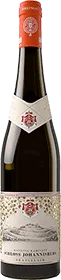
£432.00
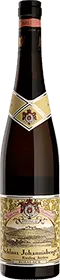
A great sweet wine from 1976, blending fruity sweetness with brilliant minerality.
£633.00
Want to save time?
Write what you're looking for in your own words, our virtual assistant will guide you through your choices!

A 1967 selected riesling from the millenary estate, light and mineral.
£778.00
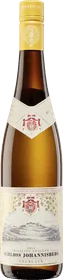
From the first historic clos dedicated to riesling, a precise and unctuous wine.
£30.30
A high-flying Kabinett, bursting with exotic fruits and vibrant minerality.
£475.00
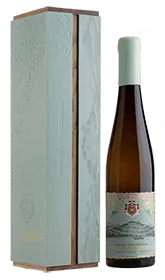
A century of Spätlese in a thousand bottles, a luminous and historic complexity.
£458.00

£1,176.00
A nobly sweet riesling combining creamy richness and vibrant minerality.
£495.00
£1,050.00
A dry riesling of rare concentration, combining silky texture with saline minerality.
£193.00
£193.00
£295.00

£386.00

£52.10