Assistant



 Guaranteed provenanceDirect from the estates
 DeliveryFree standard delivery from £ 250 purchase
 Secure PaymentVisa, American Express, Mastercard...
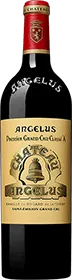
Château Angélus 2005
In-Stock
Let's talk about this product!
A pairing in mind? A question about the vintage? Comparison with another product? Find the answers here...
Description
Tasting characteristics and advice for Château Angelus 2005
Tasting
Color
The color shows a deep purple hue, almost black at the core, with bright violet highlights at the rim.
Nose
The bouquet reveals remarkable aromatic complexity, unfolding intense black fruit notes (blackberry, blackcurrant, blueberry) alongside spring floral nuances. Hints of vanilla, licorice, and toasted spices complete this aromatic palette. With aeration, aromas of espresso, smoky herbs, and scorched earth gradually emerge.
Palate
The attack is powerful and generous, marked by ripe, concentrated fruit notes. The wine displays a broad frame and a velvety texture while maintaining outstanding freshness. The tannins, of great finesse, are perfectly integrated and provide a silky structure. The finish is long and persistent, harmoniously combining black fruit, toasted oak, and sweet spice notes.
Food and wine pairings
This wine pairs beautifully with noble red meats such as herb-crusted filet of beef with Mediterranean herbs or a Wagyu beef steak accompanied by sesame. It also enhances game dishes such as venison stew or a deer chop with red fruit sauce. Black truffle preparations, such as a tournedos Rossini, are also an excellent match. For cheese lovers, opt for aged hard cheeses such as an old Comté.
Serving and cellaring
Château Angelus 2005 can be enjoyed now, but it will continue to evolve favorably until around 2050. Decanting for one to two hours before serving will allow the wine to fully reveal its aromatic complexity. Ideally, serve it at a temperature between 16 and 18°C.
A Premier Grand Cru Classé from Saint-Émilion with exceptional character
The estate
Founded in 1782 by Jean de Boüard in Saint-Émilion, Château Angélus remains a family estate owned by the de Boüard de Laforest family, now in its eighth generation. Elevated to Grand Cru Classé status in 1954, the estate took a decisive turn as early as 1985 under the leadership of Hubert de Boüard, who modernized viticultural practices in collaboration with oenologist Michel Rolland. The ultimate accolade came in 2012, when the château attained Premier Grand Cru Classé A status.
The vineyard
Château Angélus’ vineyard enjoys a privileged location on the famous southern slope of Saint-Émilion, in a natural amphitheater-like setting. This optimal southern exposure promotes sunshine and grape ripening. The soils display a complex composition, combining clay and limestone on the upper sections, while the lower areas reveal more sand while retaining a limestone base. The vines, averaging thirty years of age, are rooted in a mosaic of terroirs that gives the wines remarkable depth and great aromatic complexity.
The vintage
The 2005 vintage stands out as one of the finest years in Bordeaux. The season began with a favorable spring, allowing for successful budbreak and flowering. Summer was marked by pronounced dryness and an alternation of warm days and cool nights—ideal conditions for phenolic ripeness while preserving aromatic freshness. Green harvesting was carried out in July to concentrate grape quality. The harvest took place from September 16 to October 1 in excellent weather conditions, enabling the picking of fruit of exceptional quality—perfectly healthy and remarkably balanced between concentration and freshness.
Vinification and aging
The Château Angelus 2005 harvest was carried out by hand, with rigorous sorting on three successive selection tables. Vinification is conducted parcel by parcel in temperature-controlled stainless-steel tanks for the merlot and in concrete vats for part of the cabernet franc. A cold pre-fermentation maceration at around 8°C for four days to one week precedes alcoholic fermentation conducted at 28°C. Post-fermentation maceration continues for one to three weeks at a temperature of 28 to 30°C. Château Angelus 2005 is then aged in new fine-grain French oak barrels with a medium toast for twenty to twenty-six months. The wine is bottled without fining or filtration in order to preserve its full aromatic complexity.
Grape varieties
Merlot (50 %)
Cabernet franc (47 %)
Cabernet sauvignon or petit verdot (3 %).