Assistant



 Guaranteed provenanceDirect from the estates
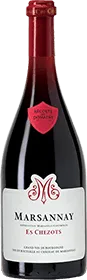
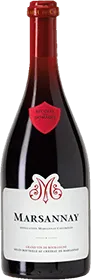
Château de Marsannay : Marsannay Village "Les Favières" 2025
En Primeur Wines – delivery in early 2028
Let's talk about this product!
A pairing in mind? A question about the vintage? Comparison with another product? Find the answers here...
Description
Characteristics and Tasting Tips for the Marsannay Village "Les Favières" 2025 Château de Marsannay
Food and Wine Pairings
This Marsannay lends itself to delicious pairings, such as those suggested by the estate: roast pork, veal blanquette, slow-braised beef cheek or jambon persillé. More broadly, this style of wine, at once full-bodied and structured, pairs well with braised or slow-cooked meats, both white and red, as well as with traditional Burgundian dishes served with a generous sauce.
A Rich and Delicate Marsannay Village
The Estate
Château de Marsannay, built in 1990 in Marsannay-la-Côte, in Burgundy, is now owned by Olivier Halley, who is also at the helm of Château de Meursault. He took over the estate in 2012 and entrusted its management to Stéphane Follin-Arbelet. The vineyard extends over 40 hectares farmed organically, including 28 hectares on the finest climats of the Marsannay appellation. The estate vinifies more than forty climats separately, reflecting a quality-driven approach founded on respect for each terroir.
The Vineyard
This cuvée comes from the Les Favières climat in Marsannay, covering 0.7 hectare spread across three plots on the mid to upper slopes, with an east/south-east exposure. The Pinot Noir vines, aged 7 to 10 years, are rooted in soils composed of Entroques limestone and Ostrea acuminata marls, mixed with alluvial fan gravel. The entire château vineyard, including this plot, is farmed organically, following an agroecological approach attentive to soil life and biodiversity.
Vinification and Ageing
To produce the Marsannay Village "Les Favières" 2025, the grapes are hand-harvested and then sorted on a table so that only the healthiest berries are kept. The bunches are partially destemmed before a cold maceration in temperature-controlled stainless steel tanks, followed by punching down and pumping over carried out with restraint for a gentle extraction. Very gentle pressing of the pomace precedes 13 months of ageing in French oak barrels, around 40% of which are new, followed by three months of ageing in bulk before bottling.
Grape Variety
This wine is made from Pinot Noir, the emblematic grape variety of Burgundy's great red wines.