Assistant



 Guaranteed provenanceDirect from the estates
 DeliveryFree standard delivery from £ 250 purchase
 Secure PaymentVisa, American Express, Mastercard...

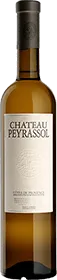
Château Peyrassol 2023
Only 1 available
In-Stock
Let's talk about this product!
A pairing in mind? A question about the vintage? Comparison with another product? Find the answers here...
Description
Characteristics and tasting tips for Château Peyrassol Blanc 2023
Tasting
Appearance
The appearance is a pale gold.
Nose
The bouquet reveals a floral character, accompanied by spicy and honeyed notes, creating a delicate yet expressive first impression.
Palate
The attack is lively, supported by a marked acidity that gives the wine great aging potential. On the palate, a soft and floral texture unfolds, reminiscent of acacia, enhanced by a subtle hint of vanilla resulting from aging in lightly to medium toasted barrels. The finish is long and generous.
Food and wine pairing
This Château Peyrassol Blanc 2023 pairs perfectly with truffle risotto, Ossobuco alla Milanese or rockfish bouillabaisse.
Service and storage
For the best enjoyment of this Château Peyrassol Blanc 2023, it is recommended to serve it at a temperature between 10 and 12°C.
An elegant and complex white wine from Côtes de Provence
The estate
Founded in 1204 by the Knights Templar, the Commanderie de Peyrassol covers nearly 1,000 hectares in the heart of Provence Verte, including 92 hectares of vineyards in the Côtes de Provence AOP. Owned by Philippe Austruy since 2001 and managed by his nephew Alban Cacaret since 2018, the estate combines viticultural excellence with contemporary art. The estate produces rosé, red and white wines on clay-limestone soils with organic certification.
The vineyard
This Côtes de Provence wine comes from selected plots planted with vines that are around 20 years old. The terroir consists of Triassic clay and limestone with a high proportion of gravel. Farmed organically, the vineyard benefits from cereal cover crops between the rows, which promotes soil life.
The vintage
The 2023 vintage was marked by persistent heat and relative dryness for over three months, with very low rainfall since winter. The relatively harsh winter was punctuated by isolated thunderstorms. Spring saw frost and heavy hail, but the estate's vines were spared. The vines showed good resilience to heat and drought, with minimal symptoms of water stress, except in very young vines and on shallow soils. Deep rooting, proximity to forests and garrigue (which favor drainage and humidity), as well as measures taken in the vineyard (targeted planting of cereals and legumes between rows, followed by rolling to preserve moisture, controlled leaf removal to protect grapes from intense sun) played a protective role. From August onwards, early varieties accumulated sugar quickly while acidity levels dropped, whereas late varieties accumulated sugar slowly and showed unusual ripening patterns. The harvest window, very concentrated between August 25 and September 28, required careful monitoring of the plots to harvest at optimal balance.
Winemaking and aging
Harvesting is done manually at dawn, variety by variety, in 25 kg crates. After destemming, the Château Peyrassol Blanc 2023 grapes undergo a short skin contact maceration before gentle pressing. The must is then clarified by static settling in the cold. Fermentation begins slowly at low temperature in stainless steel tanks. After the first third of fermentation, 60% of the wine is transferred to oak barrels, while the remaining 40% finish fermentation in stainless steel. Aging takes place over 8 months on fine lees, in both barrels and stainless steel tanks.
Blend
This Provence wine is a blend of Rolle (85%), Sémillon (10%) and Ugni Blanc (5%).