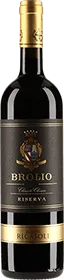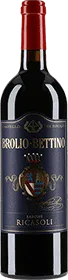


Barone Ricasoli : Brolio 2024
In-Stock
Let's talk about this product!
A pairing in mind? A question about the vintage? Comparison with another product? Find the answers here...
 DeliveryFree standard delivery from £ 250 purchase
 Guaranteed provenanceWines sourced directly from the producing estates
Description
Characteristics and Tasting Tips for Brolio 2024 by Barone Ricasoli
Tasting
Appearance
The wine displays a bright ruby red color.
Nose
The nose opens with floral and fruity aromas, with notes of red cherry and violet that characterize the expression of the Gaiole terroir. Delicate touches of fresh red fruits complete this elegant bouquet.
Palate
On the palate, the wine reveals a fine balance between ripe fruit and minerality. The tannic structure, both juicy and slightly grainy, brings texture while the fresh acidity supports the whole. The finish lingers elegantly with fruity and mineral notes.
Food and Wine Pairings
This Chianti Classico pairs ideally with braised red meats, roasted or grilled poultry, as well as lamb-based dishes. It also matches perfectly with pasta in meat sauce, traditional Tuscan stews, and aged cheeses such as pecorino or parmigiano reggiano.
Serving and Cellaring
Brolio 2024 is best enjoyed at a temperature between 16 and 18°C. Decanting is not necessary, although allowing it to rest in the glass for ten to fifteen minutes will enable the aromas to fully express themselves. This wine can be enjoyed now thanks to its immediate fruit and approachable structure.
An elegant and fruity Chianti Classico from the Italian terroir of Gaiole
The Estate
Founded in 1141, Barone Ricasoli is the oldest winery in Italy in continuous operation and one of the four oldest family businesses in the world. Located in the Gaiole sub-zone at the heart of Chianti Classico in Tuscany, the estate covers 1,200 hectares including 240 hectares of vineyards. Since 1993, Francesco Ricasoli, the 32nd baron of the lineage, has led the estate with passion and ambition. Francesco’s great-great-great-grandfather, Baron Bettino Ricasoli, established in 1872 the formula for Chianti that became the foundation of the Chianti Classico appellation. Today, the estate stands out for its extensive research into its nineteen different soil types and its commitment to the authentic expression of the Tuscan terroir.
The Vineyard
The Brolio vineyard extends across plots located between 220 and 500 meters above sea level, mainly facing south, southwest, and southeast. The soils display remarkable diversity with nineteen distinct types identified across the estate, including sandstone, limestone, and clay formations. This geological mosaic gives the wines unique complexity and personality. The Mediterranean climate, characterized by hot, dry summers and rainfall concentrated in spring and autumn, promotes optimal ripening of sangiovese. Planting densities range from 5,500 to 6,600 vines per hectare depending on the plots, with cordon and guyot training systems.
The Vintage
The 2024 vintage in Chianti Classico presented particular climatic conditions reminiscent of the 1990s. The ripening and harvest period was marked by cool, humid weather, with regular rainfall every two to three days. Although complex to manage, these conditions helped maintain beautiful acidity in the grapes while cool nighttime temperatures favored gradual ripening. Harvest took place between late September and early October, allowing optimal physiological maturity to be reached at moderate alcohol levels.
Vinification and Aging
The grapes for Brolio 2024 are vinified in temperature-controlled stainless steel tanks at temperatures between 24 and 27°C, with maceration lasting 14 to 16 days to extract color, aromas, and tannins. Fermentation is carried out with indigenous yeasts in order to respect the natural expression of the terroir. After fermentation, the wine is aged for nine months in second- and third-fill tonneaux, allowing subtle integration of the wood without masking the character of the fruit and the minerality of the terroir.
Grape Variety
Sangiovese complemented by small proportions of merlot and cabernet sauvignon.