Assistant



 Guaranteed provenanceDirect from the estates
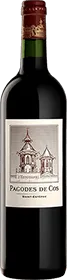
Pagodes de Cos 2025
En Primeur Wines – delivery in early 2028
Let's talk about this product!
A pairing in mind? A question about the vintage? Comparison with another product? Find the answers here...
Description
Characteristics and tasting tips for Pagodes de Cos 2025
Tasting
Nose
This wine reveals a fruity and indulgent expression, with remarkably fine definition. It stands out for its outstanding aromatic precision, offering an alluring purity of fruit with a fleshy, juicy character.
Palate
Vibrant and expressive, the palate proves both intense and refined. It delivers a mouth-watering, lingering substance with remarkable length. The Merlot brings tension and precision that elevate the whole.
Serving and cellaring
Designed to offer a perfect balance between approachability and ageing potential, Pagodes de Cos 2025 is best enjoyed until around 2037.
A vibrant and refined second wine from Saint-Estèphe by Château Cos d'Estournel
The estate
Founded in 1811 by Louis-Gaspard d'Estournel, Château Cos d'Estournel is an iconic property of the Saint-Estèphe appellation, in the Bordeaux region. Recognisable by its unique pagoda-shaped architecture, this 100-hectare estate impresses with its constant pursuit of excellence and innovation. Classified as a Second Growth in 1855, it enjoys an international reputation. Since 2000, Michel Reybier has owned this exceptional vineyard, passionately perpetuating the founder's visionary identity while steering the estate towards sustainable environmental practices.
The vineyard
The vines used for this second wine flourish on the same exceptional terroir as the grand vin, located on the heights of the Saint-Estèphe hillside. This singular vineyard rests on deep gravel and clay-limestone soils, spread across two slopes and a central plateau. Benefiting from a maritime climate tempered by the proximity of the Gironde estuary, the vines, averaging around 40 years old, enjoy ideal natural ventilation and meticulous care, within an approach that respects biodiversity.
The vintage
The year began with a dry winter followed by an early bud break. In spring, abundant rainfall in mid-April replenished the water reserves of the gravelly soils, before sunny weather promoted a rapid and even flowering. Summer was marked by intense heat in August, fortunately tempered by welcome rainfall at the end of the month, thereby avoiding any water stress. These ideal conditions led to particularly early harvests, beginning on 3 September, the earliest in several decades.
Grape varieties
This wine is made from a blend of 62% Merlot, 35% Cabernet Sauvignon, 2% Cabernet Franc and 1% Petit Verdot.