Assistant



 Guaranteed provenanceDirect from the estates
 DeliveryFree standard delivery from £ 250 purchase
 Secure PaymentVisa, American Express, Mastercard...

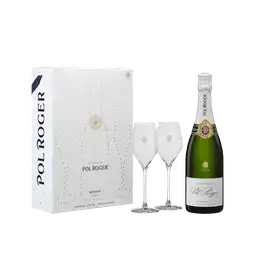
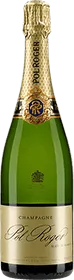
Pol Roger : Pure Brut Nature
In-Stock
Let's talk about this product!
A pairing in mind? A question about the vintage? Comparison with another product? Find the answers here...
Description
Characteristics and tasting tips for Pure Brut Nature from Pol Roger
Tasting
Appearance
A dense, bright golden hue.
Nose
The bouquet expresses itself with finesse through floral notes of rose and clove, evolving after aeration toward nuances of bread crust, yeasts and citrus, notably lemon. The overall impression is one of freshness and liveliness.
Palate
On the palate, the texture is firm and finely chiseled, offering a concentrated structure with depth. The balance between substance and delicacy carries through to a long, distinctive finish.
Food and wine pairings
Pure Brut Nature pairs ideally with naturally prepared dishes featuring firm, delicate flesh. It is a perfect match for shellfish such as crayfish, lobster, crab or spiny lobster, served in a salad with a drizzle of olive oil and hazelnut vinegar.
Serving and cellaring
To fully appreciate this Pure Brut Nature champagne, it is recommended to serve it at a temperature between 8 and 10°C.
A zero-dosage champagne of great purity from the Pol Roger House
The estate
Founded in 1849 by Pol Roger in Aÿ and later established in Épernay, the Pol Roger House remains one of the last great family-owned and independent Champagne houses. Owned by the de Billy family, it is led by Laurent d'Harcourt, Chairman of the Executive Board, alongside Damien Cambres, Cellar Master, Isabelle Gautier and Bastien Collard de Billy. The House spans 92 hectares.
The vineyard
The grapes dedicated to this Pure Brut Nature come from the terroirs of Champagne where the Pol Roger House grows its vines. The parcels benefit from optimal conditions for crafting exceptional champagnes, enabling the full expression of the typicity and finesse characteristic of this prestigious winegrowing region.
Winemaking and aging
Pure Brut Nature benefits from rapid, delicate pressing, followed by a double settling: a first at the pressing center, then a second cold settling at 6°C for 24 hours. Alcoholic fermentation takes place at a low temperature (18°C) in stainless-steel tanks. Riddling is carried out by hand according to the traditional method. The champagne then ages for a minimum of three years in cellars located 33 meters underground, before resting at least three months after disgorgement.
Grape varieties
Pinot noir (33%), chardonnay (34%), pinot meunier (33%).